


Hey travelers,
Barcelona is still the default answer when Spain comes up, and it’s not hard to see why.
Gaudí’s buildings alone are worth the flight, La Boqueria is as vivid and chaotic as its reputation promises, and a plate of jamón on a terrace in the Gothic Quarter is one of the simple, great pleasures of European travel.
But Barcelona has spent the last two summers becoming the loudest example in Spain of a city actively pushing back on its own tourism. Soaring housing costs and overcrowded public spaces have locals fed up, and they’ve been marching through the old town with water guns in protest, under signs that read “tourists go home.” And the city is responding. Nightly tourist taxes doubled this year, and by 2028 Barcelona plans to eliminate the roughly 10,000 licenses that currently allow short-term vacation rentals. None of that makes the city any less stunning. It just means you’d be spending your trip somewhere that’s had enough company for now.
Three hours down the coast, Valencia gives you the same old-meets-new Spanish energy, with far fewer crowds.
The old town, Ciutat Vella, is one of Europe’s largest historic centers and feels like a medieval maze. Visit a Gothic cathedral that, depending which historian you ask, holds the actual Holy Grail, and stroll past the Silk Exchange, a UNESCO site that looks pulled from a fantasy novel. Then wander into El Carmen’s bohemian alleyways known for street art and buzzing nightlife.
A few minutes in the other direction is the modern opposite: The City of Arts and Sciences, a massive futuristic architectural and cultural complex with attractions like an opera house and science museum; the largest aquarium in Europe rounds it out. South of it all, Ruzafa is the trendy, creative neighborhood of indie boutiques, vintage shops, galleries, and cafes filling a walkable grid that still feels local.

And down at the water, the city beaches run more than twelve miles beneath 300 days of sunshine a year, Malvarrosa among them, backed by El Cabanyal, the old fishermen’s quarter of tiled houses and a slower, saltier pace.
Valencia earns its keep with foodies too. This is where paella was invented, in the rice paddies of Albufera Natural Park just south of the city. And the dining ranges from a growing number of Michelin-starred kitchens to the stalls of the Mercado Central, one of Europe’s largest markets, where a glass of horchata is a local specialty.


The hotels play the same historic meets modern game, whichever part of it you want to lean into.
Caro Hotel is a former palace turned boutique hotel in the heart of the old town, the only one in the city built inside a declared historic monument. It blends contemporary style with the building's own layered history: Roman mosaics and medieval coffered ceilings, worked into all 26 rooms.


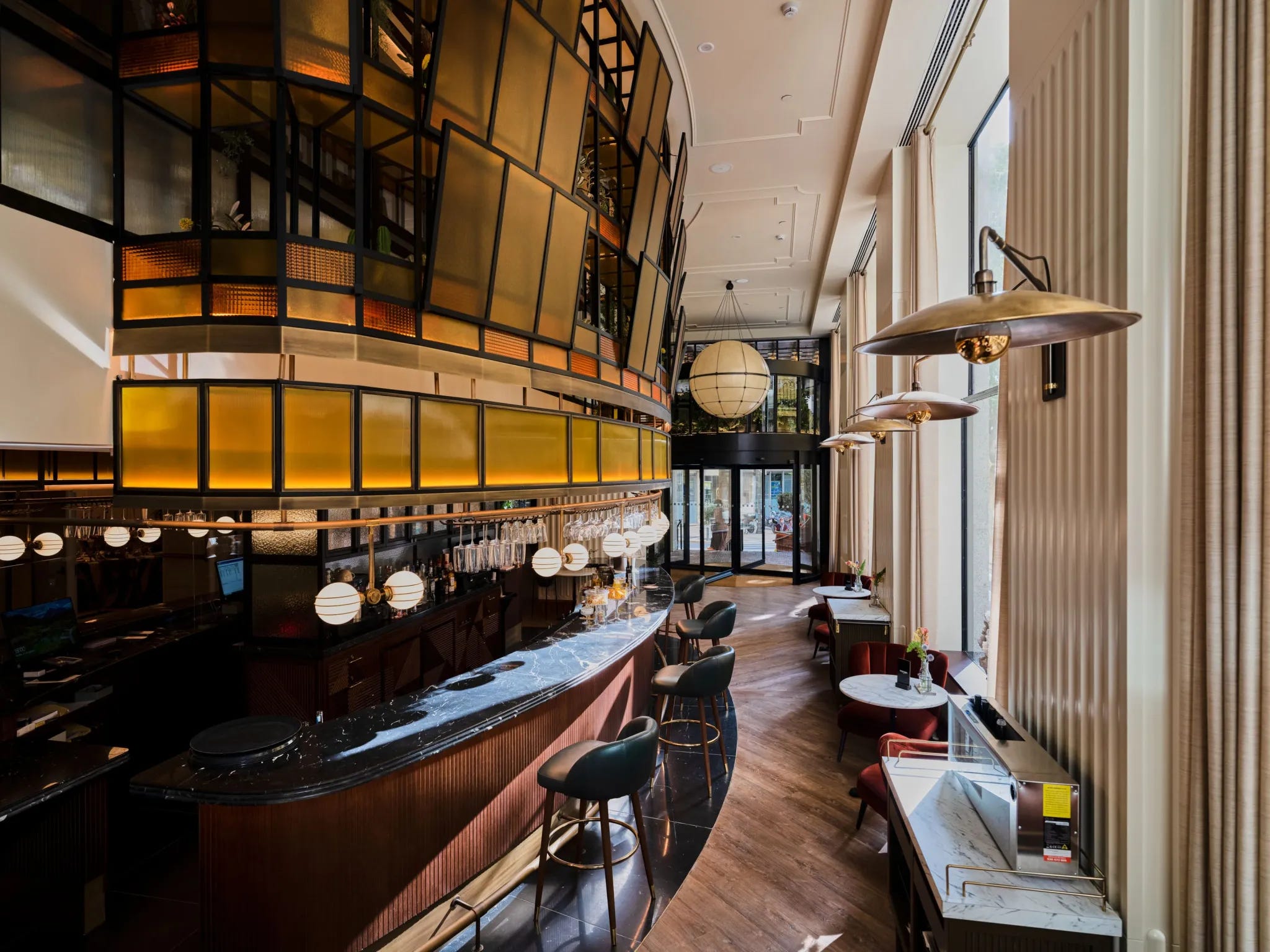
Only YOU Hotel Valencia is the luxury pick downtown. Its earth tones and Art Deco details are inspired by Valencian artists and the Mediterranean, with a ninth-floor rooftop restaurant with 360-degree views of the city.
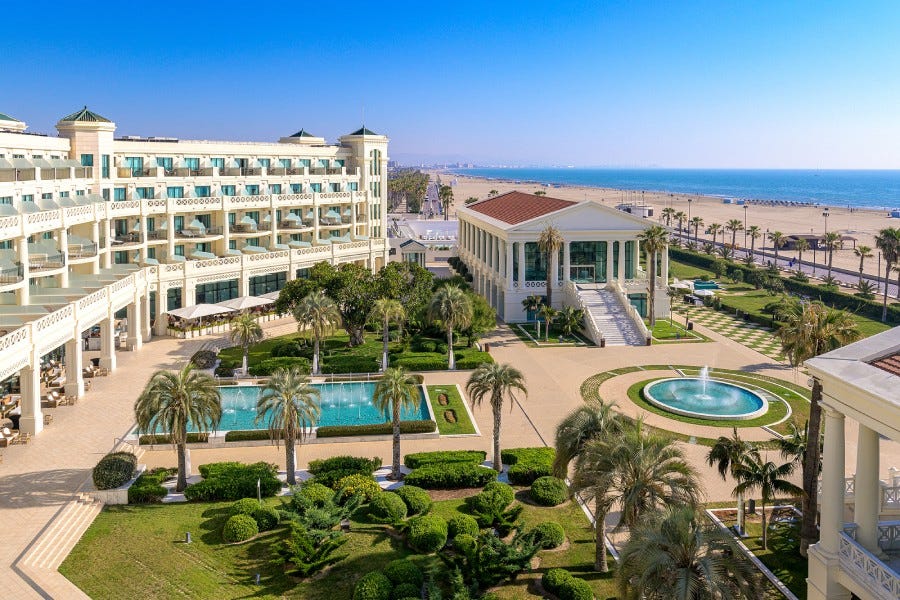
And for the beach stay, Hotel Las Arenas Balneario Resort is a member of Leading Hotels of the World sitting right on the sand, built on the site of an 1898 seaside spa, with grand, old-world glamour intact. Rooms look straight at the water, with a hydrotherapy circuit for days built around recharging.
Wherever you position yourself in the city, you’re close to the historic charm of the old town, the beach, and some of the best food in Spain, with more room to enjoy it all.
Built This Week
A trip I just put together.
A family trip to Kauaʻi for the first week of January, split across the island. First stop is Timbers Kauai in Līhuʻe. Full kitchen, private lanais, residential-style luxury built for quality time living together. Then north to 1 Hotel Hanalei Bay to close it out, an eco-luxury resort built into the lush cliffside overlooking the picturesque Hanalei Bay, with one of the best spas on the island and serious food to match. The itinerary includes highlights like a full day on a Nā Pali Coast boat cruise, exploring sea caves and landscapes only reachable from the water.

Worth Packing
One thing that earns its spot in the bag.
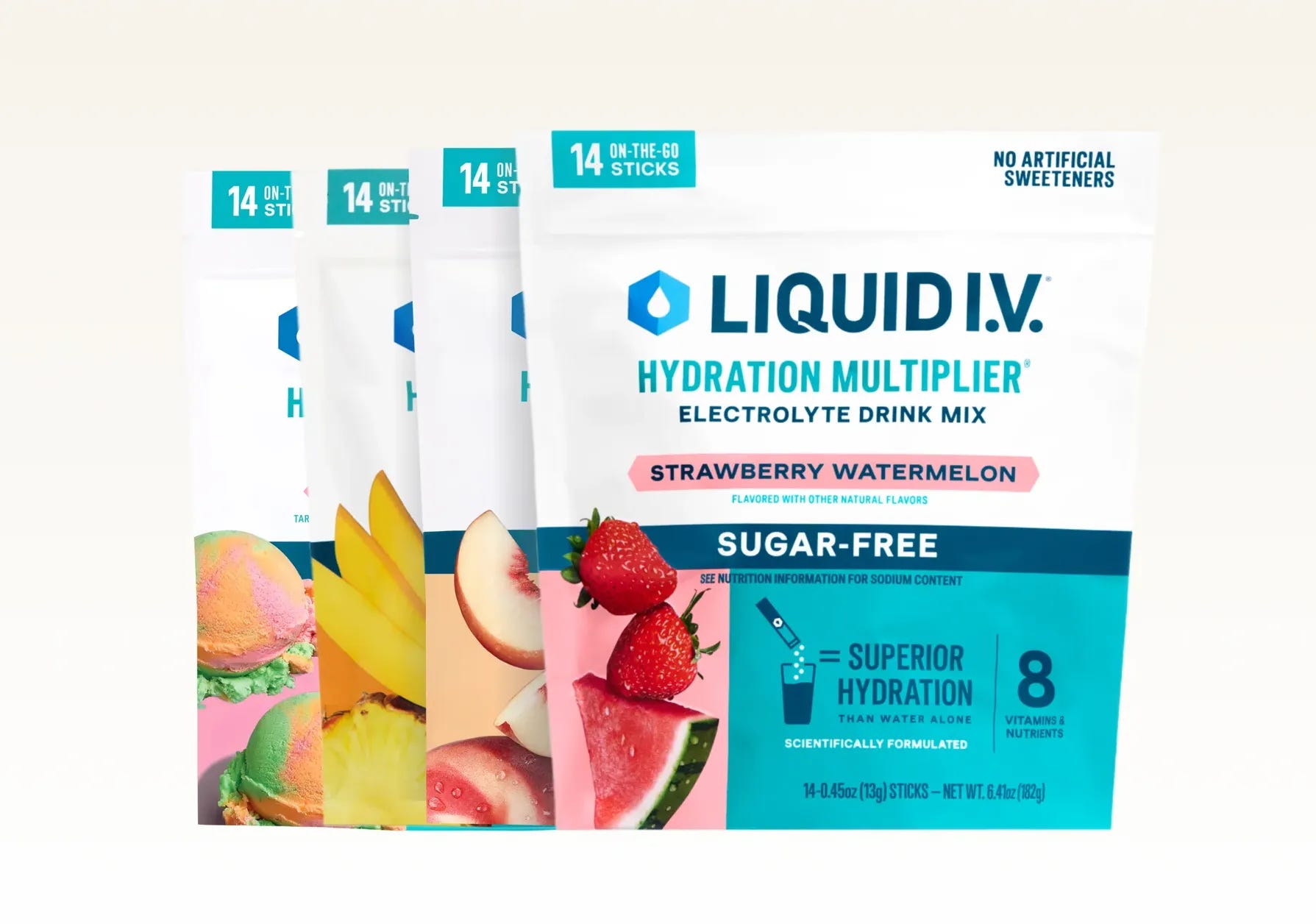
Liquid I.V.’s Hydration Multiplier. It’s no secret that flying dehydrates you, so I never travel without these. One packet in a bottle of water during a long flight, and you’re one step closer to arriving at your destination ready to explore, instead of needing a nap first. Sugar-free strawberry watermelon is my go-to, but I'm definitely intrigued by their new Grillo's pickle flavor.
If this got you thinking about your next trip, I'd love to help put it together. Gold Dust Travel is where to start.
If someone came to mind while you were reading this, feel free to forward it their way.
— Kelsey, founder of Gold Dust Travel